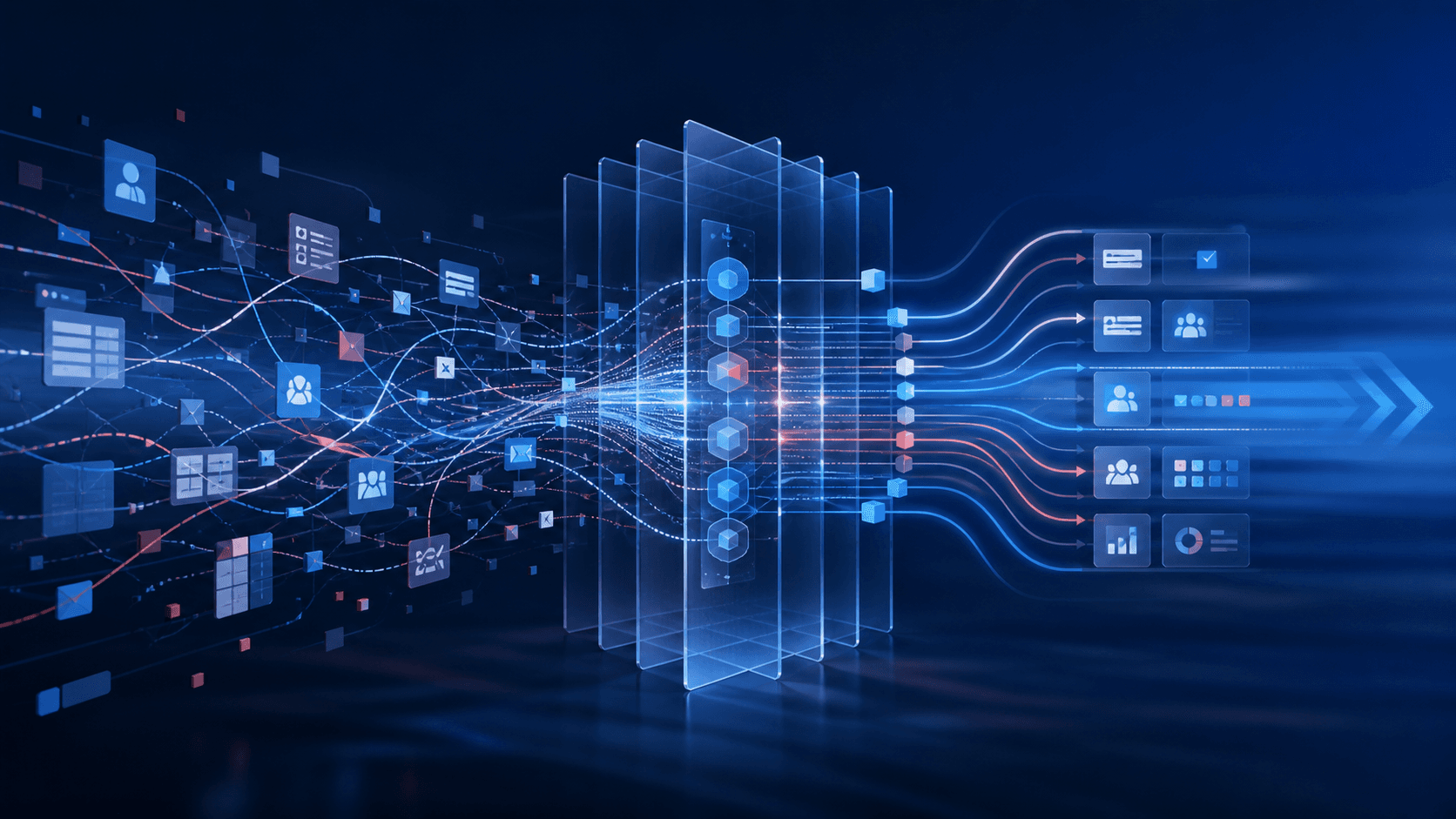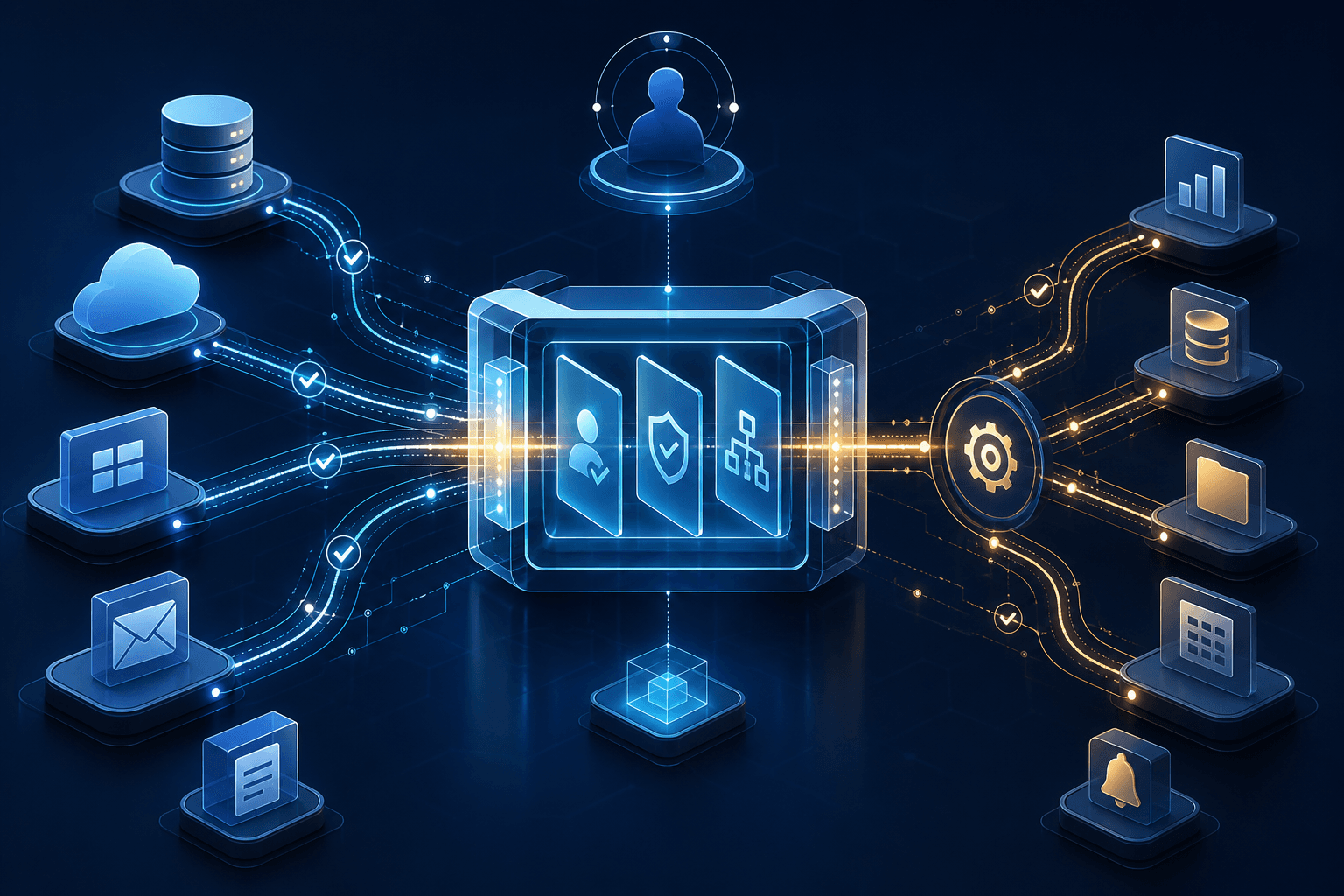


Leverage starts when AI shortens investigation; risk starts when it skips it.
AI agents are becoming capable enough to inspect repositories, trace dependencies, propose code changes, generate tests and describe deployment risk in a single working session. That capability is useful. It is also exactly why the first permission boundary matters.
Start With Read-Only Discovery
A production system is not just code. It includes data contracts, content models, secrets, queues, caches, migrations, feature flags, monitoring, deployment history and the operational expectations of the people who use it. If an AI agent begins by writing, it is acting before it knows which layer carries the risk.
The safer pattern is simple: make the agent read first. Let it inspect the schema, query the dataset, compare published and draft states, review current tests, identify ownership boundaries and report what it believes is true. Only after that should a human decide whether the proposed change belongs in the product.
Reading Is Active Work
Read-only discovery is not a pause before the real task. It is where the real engineering judgement begins. The agent can compress tedious investigation by assembling facts that would otherwise take hours to gather: which field is required, which route renders the document, which API perspective hides drafts, which existing document should not be touched.
That compressed context helps the human reviewer ask better questions. Does the proposed change fit the schema? Does it preserve existing editorial workflow? Does it respect the current deployment model? Is the output complete enough to schedule, or merely complete enough to look convincing?
What the Agent Should Inspect
Before mutation, an AI agent should inspect the source of truth for the task. For code, that means the repository, tests, configuration and deployment assumptions. For content, it means the schema, references, assets, validation rules, draft state and scheduled release queue. For integrations, it means permissions, idempotency, failure modes and rollback paths.
The goal is not to slow the work down. The goal is to make speed cumulative instead of chaotic. Once the agent has built an evidence trail, the engineer can approve a narrow change with more confidence and less guesswork.
Human Ownership Remains the Gate
AI can suggest the patch, produce the draft, generate the image and validate the required fields. It cannot own the consequence of shipping the wrong thing. The decision to mutate production should stay with the accountable team, because that team understands the business context and lives with the operational result.
This is the distinction between leverage and abdication. Leverage uses AI to surface facts, reduce manual toil and prepare safer options. Abdication lets the tool decide that an output belongs in the product simply because it can produce one.
A Practical Production Pattern
For production work, the pattern is: inspect, report, plan, change, validate, then release. Each step should leave enough evidence for a human to understand what happened and why. If the agent cannot explain the system, it should not be allowed to change it.
The best AI-assisted engineering workflows do not hide human judgement. They make it easier to apply that judgement at the right moment, with better context and fewer blind spots.